
If you are suffering from tenderness, pain, or stiffness in the joints of your feet or ankles, call us to schedule an appointment.
If you are suffering from tenderness, pain, or stiffness in the joints of your feet or ankles, call us to schedule an appointment.
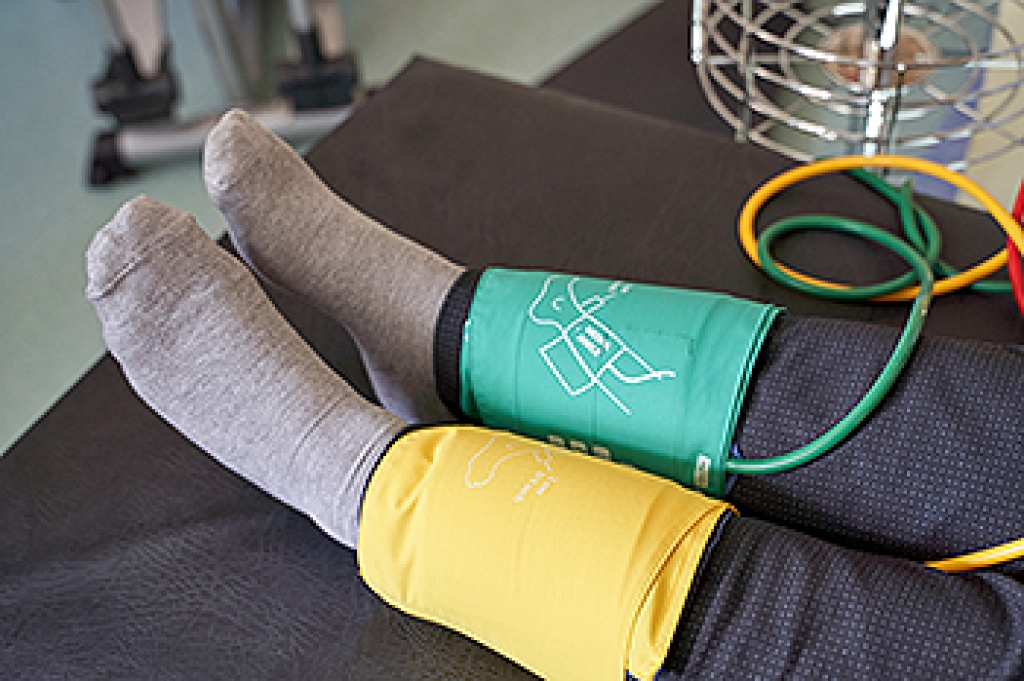
Peripheral artery disease, or PAD, occurs when arteries become narrowed or blocked, reducing blood flow to the legs and feet. A common cause is atherosclerosis, which develops when plaque builds up inside the arteries and impedes blood flow. Adequate circulation supplies the feet with oxygen and nutrients needed for healthy tissue and normal healing. When circulation is reduced, minor cuts, blisters, or sores may take longer to heal and can become more difficult to manage. PAD may progress slowly, and some people have few noticeable symptoms at first. Recognizing possible warning signs can encourage timely evaluation and care.
Common symptoms of PAD include aching, cramping, or pain in the legs or feet while walking that improves with rest. Other signs may include numbness, weakness, and skin discoloration. More advanced PAD can cause persistent foot pain, including discomfort that becomes worse at night. Reduced circulation may also interfere with wound healing. Persistent sores, cuts, or blisters can increase the risk of infection and should receive prompt attention.
Smoking is a major risk factor for PAD because tobacco can damage blood vessels and interfere with circulation. Diabetes, high blood pressure, and a family history of vascular disease can also increase risk. PAD may significantly affect foot health by contributing to cold feet, skin changes, and a greater risk of infection. People with diabetes may face additional concerns when circulation problems occur with reduced sensation.
A podiatrist can examine the feet for signs of poor circulation and recommend additional testing when necessary. Evaluation may include checking skin temperature, color, and existing wounds. Treatment focuses on addressing risk factors, managing underlying conditions, and protecting the feet from injury. If you have symptoms of PAD, it is suggested that you consult a podiatrist for an accurate evaluation and appropriate treatment recommendations.
Peripheral artery disease can pose a serious risk to your health. It can increase the risk of stroke and heart attack. If you have symptoms of peripheral artery disease, consult with Edward Fryman, DPM, FACFAOM from Seaford Foot Care Center. Our doctor will assess your condition and provide you with quality foot and ankle treatment.
Peripheral artery disease (PAD) is when arteries are constricted due to plaque (fatty deposits) build-up. This results in less blood flow to the legs and other extremities. The main cause of PAD is atherosclerosis, in which plaque builds up in the arteries.
Symptoms
Symptoms of PAD include:
It is important to note that a majority of individuals never show any symptoms of PAD.
Diagnosis
While PAD occurs in the legs and arteries, Podiatrists can diagnose PAD. Podiatrists utilize a test called an ankle-brachial index (ABI). An ABI test compares blood pressure in your arm to you ankle to see if any abnormality occurs. Ultrasound and imaging devices may also be used.
Treatment
Fortunately, lifestyle changes such as maintaining a healthy diet, exercising, managing cholesterol and blood sugar levels, and quitting smoking, can all treat PAD. Medications that prevent clots from occurring can be prescribed. Finally, in some cases, surgery may be recommended.
If you have any questions, please feel free to contact our office located in Seaford, and Bethpage, NY . We offer the newest diagnostic and treatment technologies for all your foot care needs.
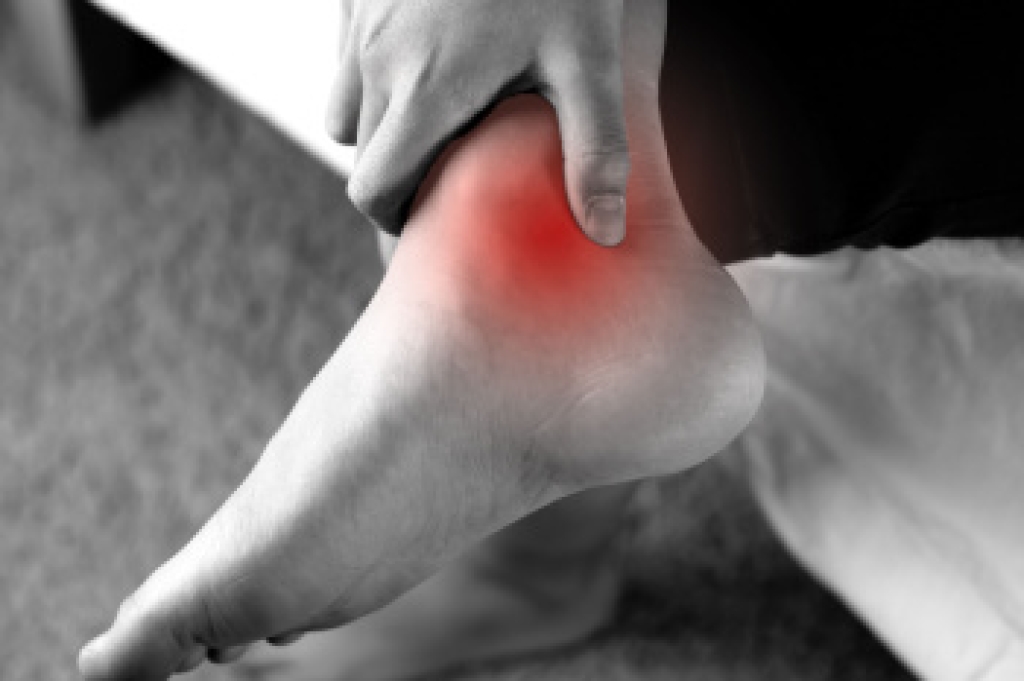
Tarsal tunnel syndrome is caused by compression or irritation of the tibial nerve as it passes through a narrow space near the inner ankle. Symptoms may include burning pain, tingling, or shooting discomfort that travels toward the sole or toes. Pain may become more noticeable at night or after activity. Recognizing these warning signs can help you seek care before symptoms become difficult to manage. Early evaluation can help identify nerve pressure before pain interferes with daily activities.
Several risk factors can increase the chance of developing tarsal tunnel syndrome. An ankle injury may cause swelling that puts pressure on the tibial nerve. Flat feet can change foot alignment and increase tension around the tunnel. Arthritis, diabetes, or a growth near the nerve can also contribute. Repetitive activities that stress the ankle may worsen irritation. Footwear that lacks proper support can add strain for some people. A careful evaluation can help identify which factors are contributing to nerve pressure.
A podiatrist will begin with a detailed examination of the foot and ankle. They may check sensation, muscle strength, and nerve response. Imaging or nerve testing may be recommended to identify the source of symptoms. Treatment depends on the underlying cause and may include activity changes, supportive footwear, or medication. If nerve compression remains severe, an injection or a surgical procedure may be considered.
Early attention to tarsal tunnel symptoms can help protect comfort. Avoiding activities that increase pain may reduce irritation while the area heals. Wearing supportive shoes can also help limit stress on the ankle. Persistent numbness, burning, or worsening pain should not be ignored. A podiatrist can determine whether nerve compression is responsible, and create an appropriate treatment plan for lasting relief and safer daily movement overall. If you have symptoms of tarsal tunnel syndrome, it is suggested that you consult a podiatrist who can accurately diagnose and treat this condition.
Tarsal tunnel syndrome can be very uncomfortable to live with. If you are experiencing tarsal tunnel syndrome, contact Edward Fryman, DPM, FACFAOM of Seaford Foot Care Center. Our doctor can provide the care you need to keep you pain-free and on your feet.
Tarsal Tunnel Syndrome
Tarsal tunnel syndrome, which can also be called tibial nerve dysfunction, is an uncommon condition of misfiring peripheral nerves in the foot. The tibial nerve is the peripheral nerve in the leg responsible for sensation and movement of the foot and calf muscles. In tarsal tunnel syndrome, the tibial nerve is damaged, causing problems with movement and feeling in the foot of the affected leg.
Common Cause of Tarsal Tunnel Syndrome
The Effects of Tarsal Tunnel Syndrome
A physical exam of the leg can help identify the presence of tarsal tunnel syndrome. Medical tests, such as a nerve biopsy, are also used to diagnose the condition. Patients may receive physical therapy and prescriptive medication. In extreme cases, some may require surgery.
If you have any questions please contact our office located in Seaford, and Bethpage, NY . We offer the newest diagnostic and treatment technologies for all your foot and ankle needs.
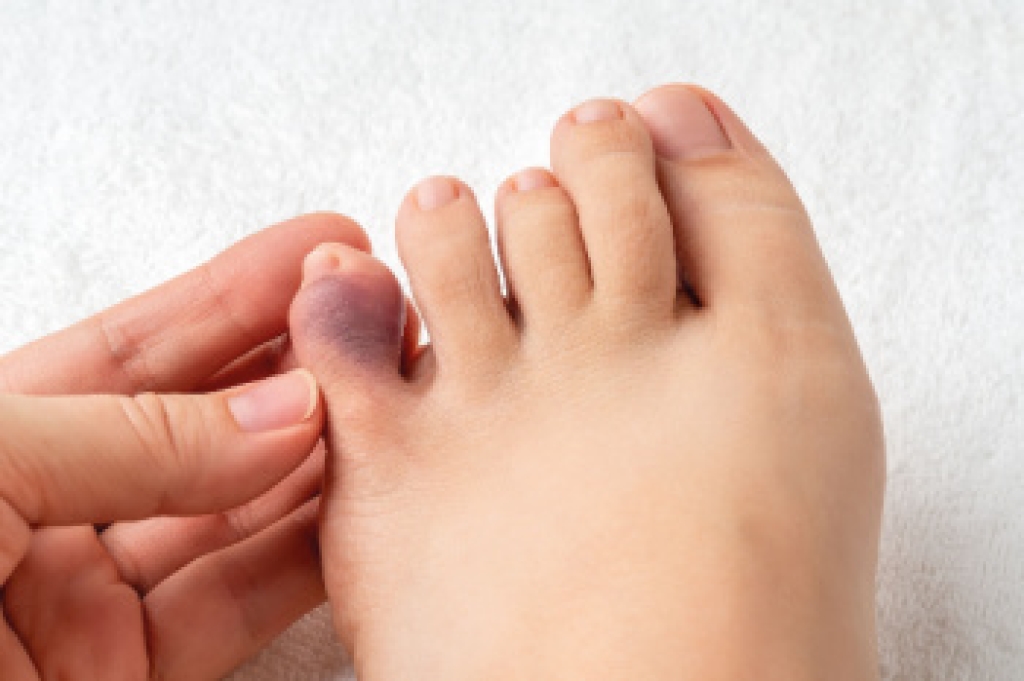
A broken toe occurs when one of the small bones in a toe cracks or breaks. The injury can range from a small hairline crack to a break in which pieces of bone move out of their normal position. Broken toes can result from stubbing a toe, dropping a heavy object on the foot, or forcefully bending a toe. A stress fracture, which is a small crack caused by repeated pressure, can also develop after a sudden increase in activities like running or walking. Symptoms include pain, swelling, and bruising. Some patients hear or feel a snap or pop when the injury happens. The injured toe can also appear crooked or out of position.
A podiatrist can evaluate a painful toe to determine whether a fracture is present and how serious the injury is. The examination can include checking the toe for tenderness, swelling, and changes in position. An X-ray can help confirm a fracture or determine whether the toe is dislocated. Treatment depends on which toe is injured and where the break is located. The severity of the fracture also affects treatment decisions. Injuries to the big toe can require more medical attention because this toe has an important role in balance and movement. A podiatrist can determine the appropriate treatment and monitor the toe as the bone heals.
Podiatric treatment for a broken toe focuses on keeping the injured bone in a proper position and protecting it while it heals. Depending on the fracture, a podiatrist can use buddy taping, a splint, or a cast to stabilize the toe. Buddy taping means securing the injured toe to a neighboring healthy toe for support. More serious fractures can require additional treatment, and surgery can be an option for a severe break. A podiatrist can also determine when it is safe to return to regular activities. Proper treatment is important because an untreated fracture can lead to lasting pain, limited movement, or a change in the toe's shape. If you have broken your toe, it is suggested that you schedule an appointment with a podiatrist for effective relief and treatment solutions.
A broken toe can be very painful and lead to complications if not properly fixed. If you have any concerns about your feet, contact Edward Fryman, DPM, FACFAOM from Seaford Foot Care Center. Our doctor will treat your foot and ankle needs.
What to Know About a Broken Toe
Although most people try to avoid foot trauma such as banging, stubbing, or dropping heavy objects on their feet, the unfortunate fact is that it is a common occurrence. Given the fact that toes are positioned in front of the feet, they typically sustain the brunt of such trauma. When trauma occurs to a toe, the result can be a painful break (fracture).
Symptoms of a Broken Toe
Generally, it is best to stay off of the injured toe with the affected foot elevated.
Severe toe fractures may be treated with a splint, cast, and in some cases, minor surgery. Due to its position and the pressure it endures with daily activity, future complications can occur if the big toe is not properly treated.
If you have any questions, please feel free to contact our office located in Seaford, and Bethpage, NY . We offer the newest diagnostic and treatment technologies for all your foot care needs.

Cracked heels develop when the skin surrounding the heel becomes dry and begins to split. Shallow cracks can affect only the outer layer of skin and cause little discomfort. Deeper cracks can become painful and sometimes bleed. Dry skin is an important factor because skin that lacks moisture is less flexible and more likely to split under pressure. Aging can contribute because the skin loses moisture more easily as people get older. Athlete’s foot and eczema can also cause dry or irritated skin that increases the chance of heel cracking.
Certain vitamin deficiencies have also been linked with dry, cracked skin. Vitamin E helps protect skin cells and supports healthy skin. Vitamin B-3, also called niacin, helps the body turn food into energy and supports skin health. Severe vitamin B-3 deficiency can cause dry, scaly skin. Vitamin C supports collagen production, which helps give skin structure and strength. A serious vitamin C deficiency can contribute to dry skin and slow wound healing. However, deficiencies of these vitamins are considered rare in developed countries, so cracked heels do not necessarily indicate a nutritional problem.
A podiatrist can examine cracked heels and determine whether another foot or skin problem is contributing to the condition. An evaluation is especially important when cracks are deep, painful, or bleeding. Patients with diabetes or nerve damage should also have cracked heels evaluated because foot wounds can become more serious. A podiatrist can remove thickened skin safely and recommend treatment to protect damaged areas. Care can also address fungal infections or other conditions affecting the skin. Proper treatment can reduce discomfort and help protect the heels from further damage. If you have developed cracked heels, it is suggested that you schedule an appointment with a podiatrist for a diagnosis and appropriate treatment, which may include prescribed medication.
If the skin on your feet starts to crack, you may want to see a podiatrist to find treatment. If you have any concerns, contact Edward Fryman, DPM, FACFAOM from Seaford Foot Care Center. Our doctor can provide the care you need to keep you pain-free and on your feet.
Cracked Heels
It is important to moisturize your cracked heels in order to prevent pain, bleeding, and infection. The reason cracked heels form is because the skin on the foot is too dry to support the immense pressure placed on them. When the foot expands, the dry skin on the foot begins to split.
Ways to Help Heal Them
Ways to Prevent Cracked Heels
If you are unsure how to proceed in treating cracked heels, seek guidance from a podiatrist. Your doctor will help you with any questions or information you may need.
If you have any questions, please feel free to contact our office located in Seaford, and Bethpage, NY . We offer the newest diagnostic and treatment technologies for all your foot care needs.
Connect With Us
