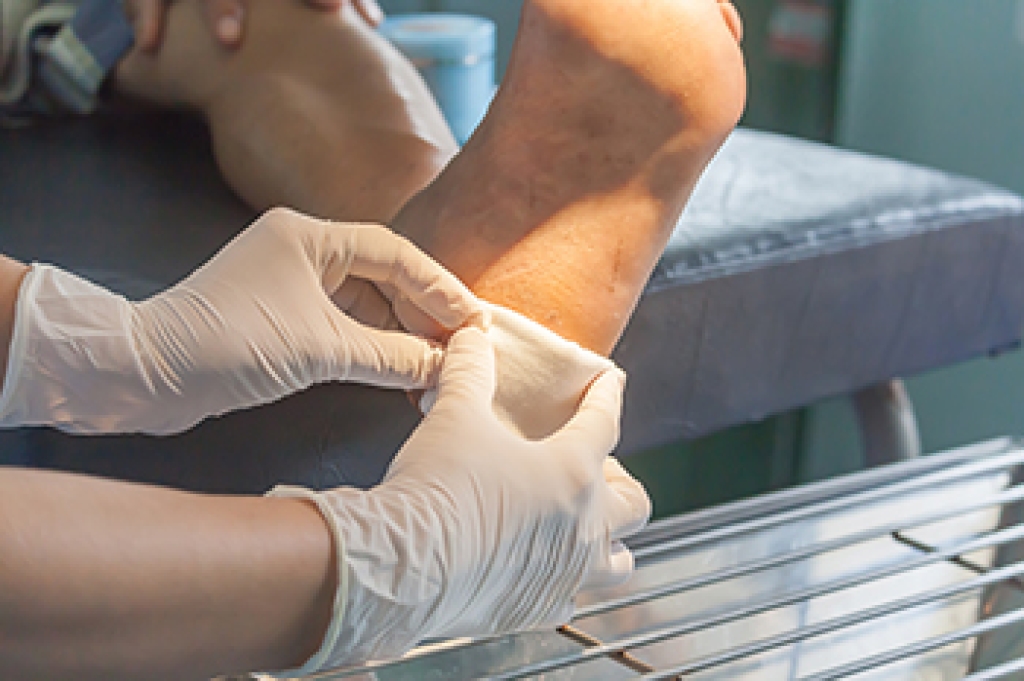
A puncture wound on the foot is an injury that occurs when a sharp object breaks through the skin and creates a small but deep opening. Common causes include stepping on nails, glass, or other sharp objects. Although these wounds may appear minor on the surface, they can extend into deeper tissues and increase the risk of infection. Prompt care is important because early treatment can influence the healing process and reduce the chance of complications.
Symptoms of a foot puncture wound may include pain, swelling, and bleeding around the injured area. Some individuals may also notice warmth, drainage, or increasing discomfort as signs of infection. Risk factors include walking barefoot, working in environments with sharp debris, having diabetes, and having reduced circulation or nerve sensation. Individuals with certain health conditions may require additional attention because healing can be slower and infections may develop more easily.
Proper care after a puncture wound involves cleaning the area, protecting the injury, and monitoring for changes. Prompt response after an injury can make a significant difference in recovery. Removing dirt and debris, keeping the wound covered, and avoiding pressure on the affected foot can support healing. Medical evaluation is important if the object penetrated deeply, if symptoms worsen, or if there is concern about infection. Ignoring a puncture wound can allow bacteria to enter deeper tissues and create serious problems.
Preventing foot puncture wounds includes wearing protective footwear, maintaining a safe environment, and checking the feet regularly after outdoor activities. Early treatment supports better outcomes and helps protect overall foot health. Paying attention to symptoms and risk factors allows individuals to seek care before complications develop. If you have a puncture wound on your foot, it is suggested that you promptly consult a podiatrist for effective treatment solutions.
Wound care is an important part in dealing with diabetes. If you have diabetes and a foot wound or would like more information about wound care for diabetics, consult with Edward Fryman, DPM, FACFAOM from Seaford Foot Care Center. Our doctor will assess your condition and provide you with quality foot and ankle treatment.
What Is Wound Care?
Wound care is the practice of taking proper care of a wound. This can range from the smallest to the largest of wounds. While everyone can benefit from proper wound care, it is much more important for diabetics. Diabetics often suffer from poor blood circulation which causes wounds to heal much slower than they would in a non-diabetic.
What Is the Importance of Wound Care?
While it may not seem apparent with small ulcers on the foot, for diabetics, any size ulcer can become infected. Diabetics often also suffer from neuropathy, or nerve loss. This means they might not even feel when they have an ulcer on their foot. If the wound becomes severely infected, amputation may be necessary. Therefore, it is of the upmost importance to properly care for any and all foot wounds.
How to Care for Wounds
The best way to care for foot wounds is to prevent them. For diabetics, this means daily inspections of the feet for any signs of abnormalities or ulcers. It is also recommended to see a podiatrist several times a year for a foot inspection. If you do have an ulcer, run the wound under water to clear dirt from the wound; then apply antibiotic ointment to the wound and cover with a bandage. Bandages should be changed daily and keeping pressure off the wound is smart. It is advised to see a podiatrist, who can keep an eye on it.
If you have any questions please contact our office located in Seaford, and Bethpage, NY . We offer the newest diagnostic and treatment technologies for all your foot and ankle needs.
