Living With Foot Pain in Chronic Conditions

Rheumatoid arthritis is a disease where the immune system attacks joints, causing swelling and pain. Ehlers-Danlos syndrome is a condition that affects connective tissue, leading to loose joints and fragile skin. Lupus is an autoimmune illness that can cause inflammation throughout the body, including the feet. In women with these conditions, foot pain is common and can make walking, standing, and daily tasks more difficult. Ongoing discomfort may limit activity and lower overall quality of life. A podiatrist can help manage symptoms with supportive care, custom orthotics, and footwear advice to improve comfort and stability. With proper treatment, many people can stay active and reduce pain over time. If foot pain is interfering with your routine, it is suggested that you seek care from a podiatrist.

Because RA affects more than just your joints, including the joints in your feet and ankles, it is important to seek early diagnosis from your podiatrist if you feel like the pain in your feet might be caused by RA. For more information, contact Edward Fryman, DPM, FACFAOM of Seaford Foot Care Center. Our doctor will assist you with all of your podiatric concerns.

What Is Rheumatoid Arthritis?

Rheumatoid Arthritis (RA) is an autoimmune disorder in which the body’s own immune system attacks the membranes surrounding the joints. Inflammation of the lining and eventually the destruction of the joint’s cartilage and bone occur, causing severe pain and immobility.

Rheumatoid Arthritis of the Feet

Although RA usually attacks multiple bones and joints throughout the entire body, almost 90 percent of cases result in pain in the foot or ankle area.

Symptoms

  • Swelling and pain in the feet
  • Stiffness in the feet
  • Pain on the ball or sole of feet
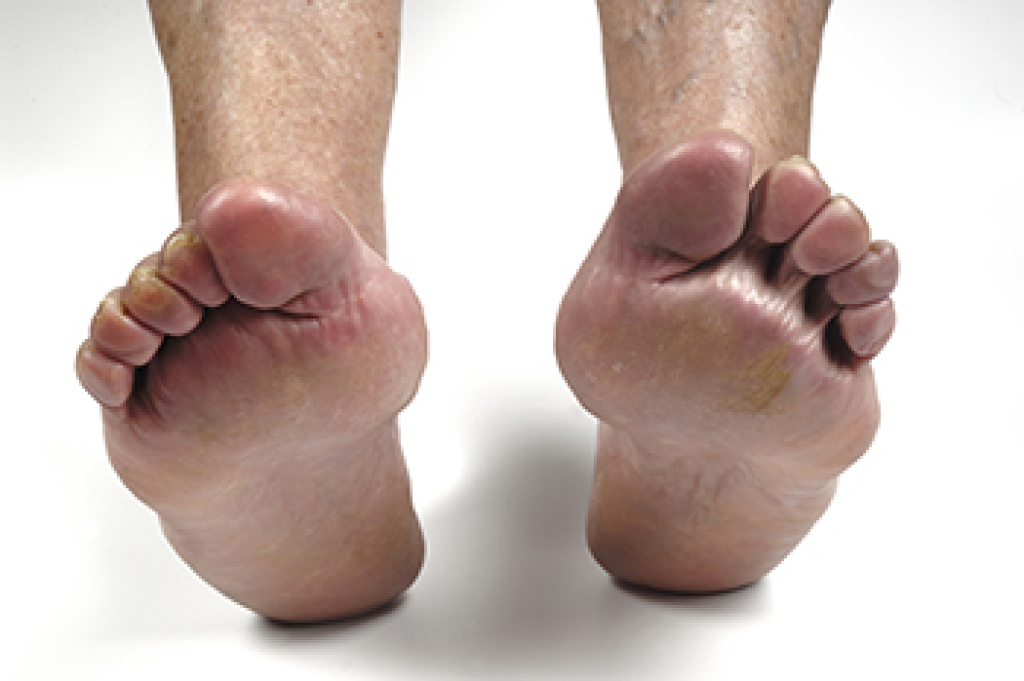
  • Joint shift and deformation

Diagnosis

Quick diagnosis of RA in the feet is important so that the podiatrist can treat the area effectively. Your doctor will ask you about your medical history, occupation, and lifestyle to determine the origin of the condition. Rheumatoid Factor tests help to determine if someone is affected by the disease.

If you have any questions, please feel free to contact our office located in Seaford, and Bethpage, NY . We offer the newest diagnostic and treatment technologies for all your foot care needs.

Read more about Rheumatoid Arthritis in the Feet

Sever’s Disease and Heel Pain in Children

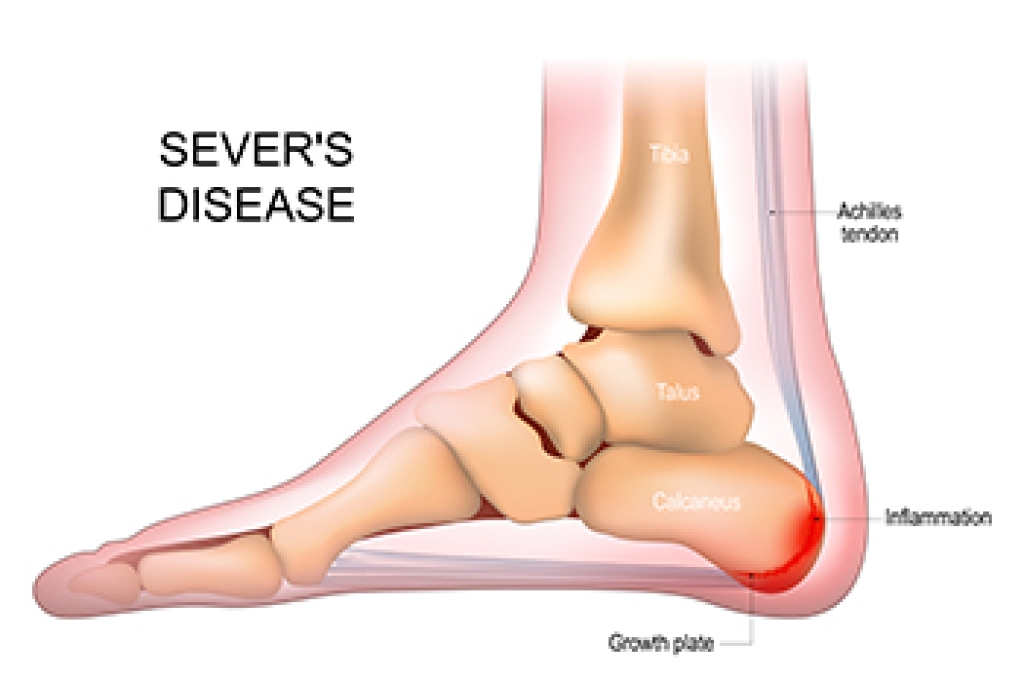
Sever’s disease is a common cause of heel pain in active growing children. It occurs when the growth plate in the heel becomes inflamed due to repetitive stress. This condition most often affects children and adolescents during growth spurts when the heel bone grows faster than surrounding muscles and tendons. Symptoms include heel pain during activity, tenderness, and limping after exercise. Causes include repetitive impact from running or jumping sports, and tight calf muscles. Risk factors include participation in high-impact activities, poor footwear, and rapid growth. A podiatrist can diagnose the condition, recommend stretching programs, provide heel support, and guide activity modification. If your active child has heel pain, it is suggested that you consult a podiatrist who can provide effective relief and management tips.

Sever's disease often occurs in children and teens. If your child is experiencing foot or ankle pain, see Edward Fryman, DPM, FACFAOM from Seaford Foot Care Center. Our doctor can treat your child’s foot and ankle needs.

Sever’s Disease

Sever’s disease is also known as calcaneal apophysitis, which is a medical condition that causes heel pain I none or both feet. The disease is known to affect children between the ages of 8 and 14.

Sever’s disease occurs when part of the child’s heel known as the growth plate (calcaneal epiphysis) is attached to the Achilles tendon. This area can suffer injury when the muscles and tendons of the growing foot do not keep pace with bone growth. Therefore, the constant pain which one experiences at the back of the heel will make the child unable to put any weight on the heel. The child is then forced to walk on their toes.

Symptoms

Acute pain – Pain associated with Sever’s disease is usually felt in the heel when the child engages in physical activity such as walking, jumping and or running.

Highly active – Children who are very active are among the most susceptible in experiencing Sever’s disease, because of the stress and tension placed on their feet.

If you have any questions, please feel free to contact our office located in Seaford, and Bethpage, NY . We offer the newest diagnostic and treatment technologies for all your foot care needs.
Read more about Sever's Disease

Connect With Us